
HMO · 7 min read
HMOs and Article 4 in Nottingham: what investors need to know
Why Nottingham's Article 4 direction changes the HMO game, and how a well-designed scheme can still succeed.
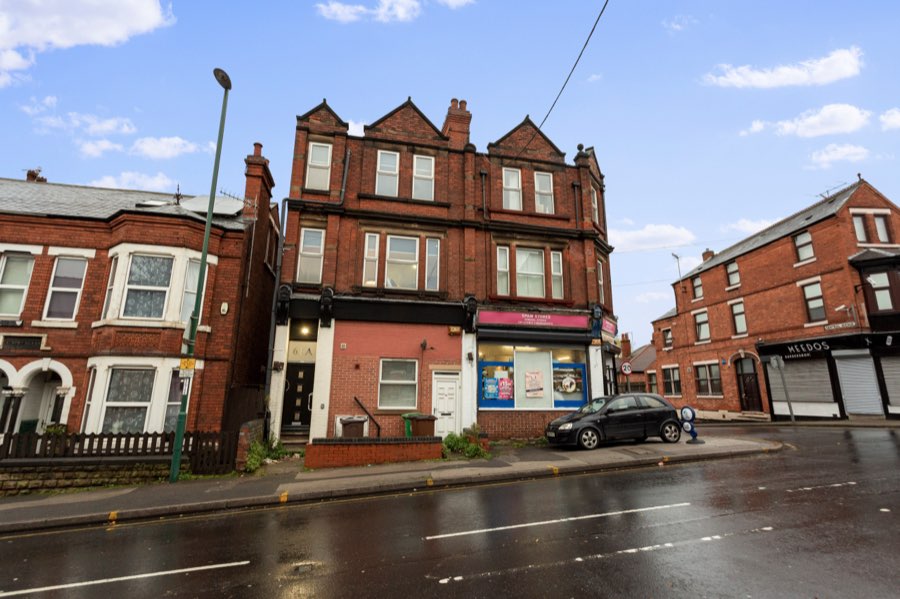
Nottingham has one of the largest student populations in the country, and for years family houses were converted into shared homes without needing planning permission. Nottingham City Council's Article 4 direction changed that.
What Article 4 does
Normally, changing a family house (use class C3) into a small HMO for three to six unrelated people (use class C4) is permitted development. An Article 4 direction removes that right, so a planning application is needed. In Nottingham the direction covers the whole city.
Small and large HMOs
HMOs with more than six occupants fall outside the C4 class and are 'Sui Generis', meaning they need planning permission everywhere, Article 4 or not. Large purpose-built student HMOs fall into this category.
What the council looks at
- The concentration of existing HMOs in the surrounding area
- Room sizes, shared kitchen and living space, and outdoor amenity
- Bin and cycle storage, and the effect on parking
- The design's impact on the street scene and on neighbours
Planning is only half of it
HMOs are also licensed. Mandatory licensing applies to HMOs with five or more people forming more than one household, and Nottingham operates additional and selective licensing schemes too. Licensing sets standards for room sizes, amenities and fire safety, so it pays to design to them from the start.
How design makes the difference
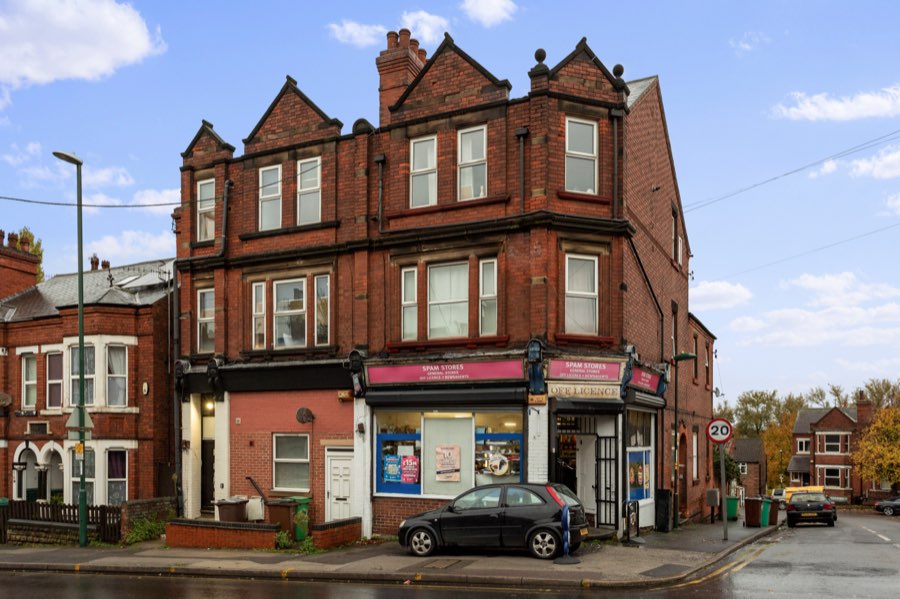
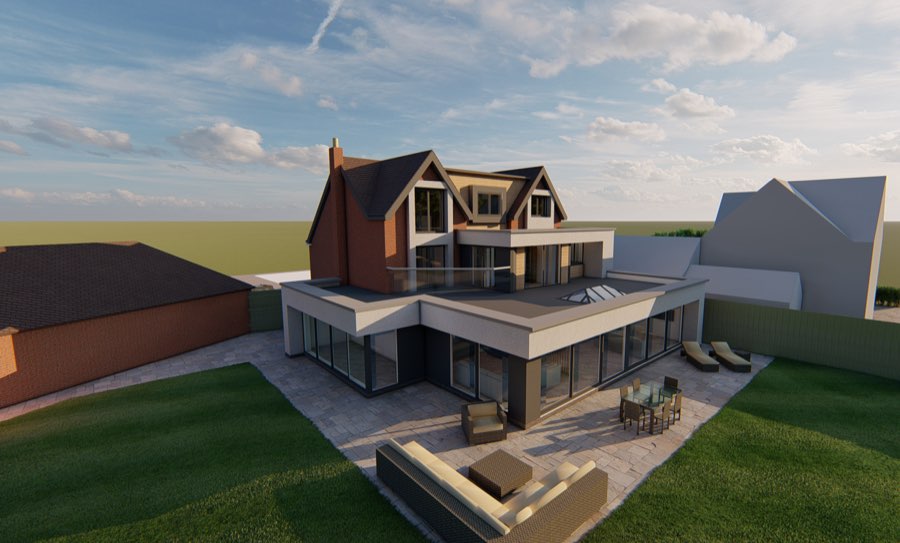
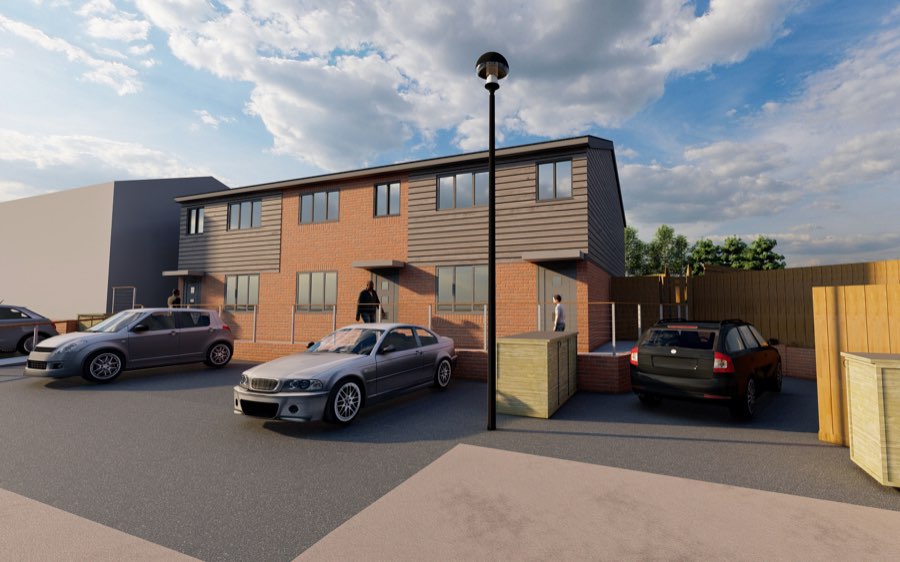
In our experience, the strongest HMO applications replace something that harms the street with something that improves it. For one investor client, we replaced a two-storey flat-roofed retail building with a four-storey, twelve-bedroom new-build student HMO, a scheme taken through to the Section 106 stage.
Considering an HMO in Nottingham? Bring us the address and we'll give you an honest early view of what's achievable. Start a project.
This guide is general information for projects in England and isn’t a substitute for advice on your specific site. Rules change; we’ll always check the current position for your project.
Keep reading
More from the journal
Planning6 min read
Do I need planning permission for an extension?
Permitted development, prior approval or a full householder application: how to tell which route your extension needs.
Read
Process5 min read
Planning permission vs building regulations: what's the difference?
Two separate approvals, two different questions. Here's what each one covers and when you need it.
Read
New build7 min read
Planning your own grand design: a step-by-step guide
From finding the plot to appointing a builder, the stages of designing your own home and where people go wrong.
ReadFree initial consultation
Let’s designyour home.
Every project starts with a free discovery meeting. Tell us what you’re planning and we’ll guide you from the first sketch to construction drawings.
project